Missed calls are the most expensive problem in HVAC that never shows up on a profit-and-loss statement. There is no line item for 'jobs we never knew we lost.'
But the leak is real, it is measurable, and once you see the math it is hard to unsee. Let us walk through where the revenue goes.
You cannot see the jobs you never heard about
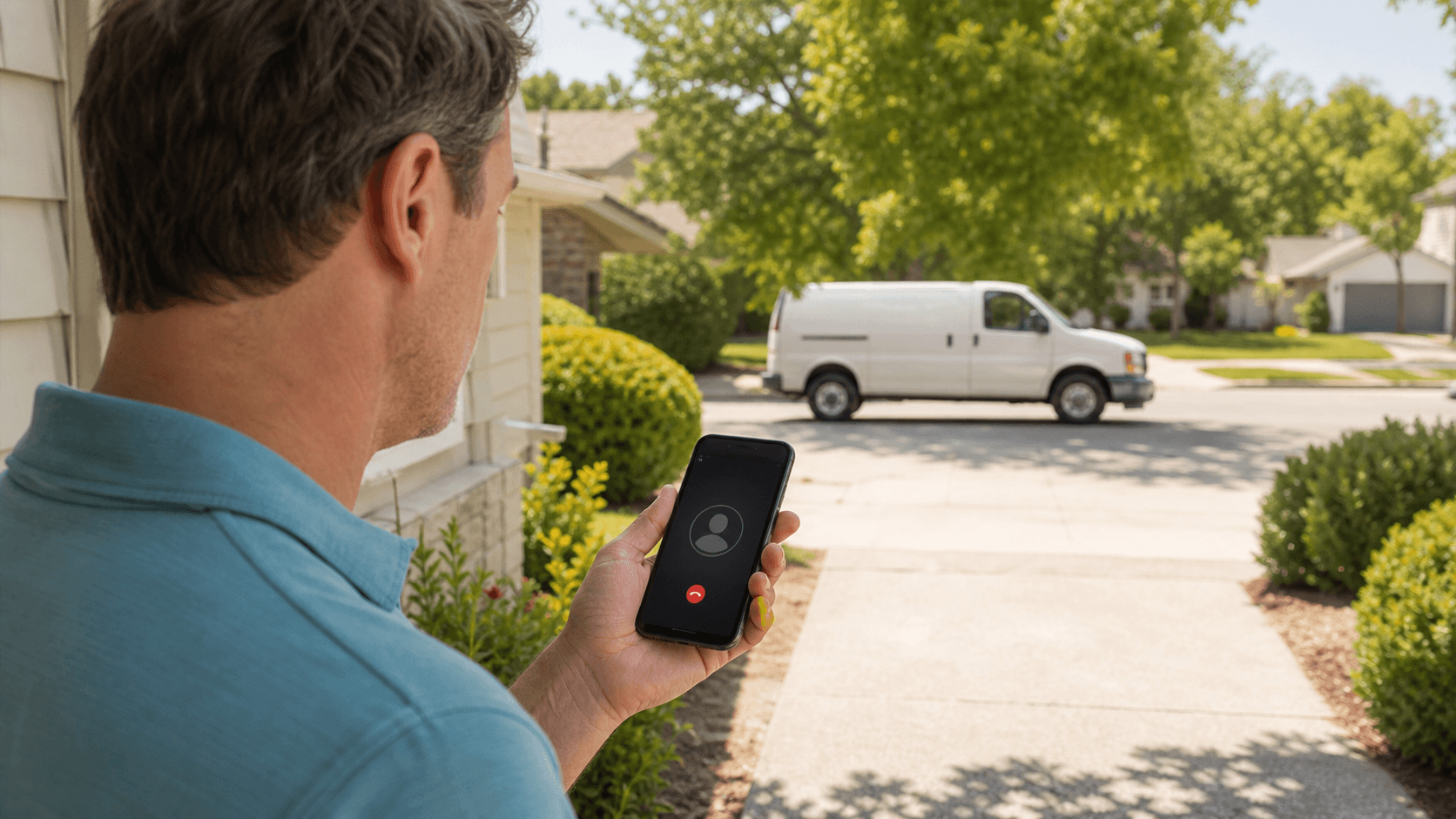
When a tech no-shows, you know. When a quote loses, you know. But when a homeowner calls at 7:42 PM, gets voicemail, and dials the next company on Google — you never find out it happened. The job simply went somewhere else.
That invisibility is exactly why the missed-call problem persists. It does not feel urgent because it does not generate a complaint. It just quietly caps your growth.
The phone rings most when nobody is there to answer
Homeowners call when their system fails — and systems fail on the hottest afternoons and coldest nights, not at 10 AM on a Tuesday. Evenings, weekends, and holidays are when emergency calls spike and when your office is empty.
These are also your highest-intent, highest-value calls. Someone with no AC in a heat wave is not price shopping; they are booking with whoever picks up first.
Your most profitable calls and your least-staffed hours are the exact same window.
Put a number on the leak
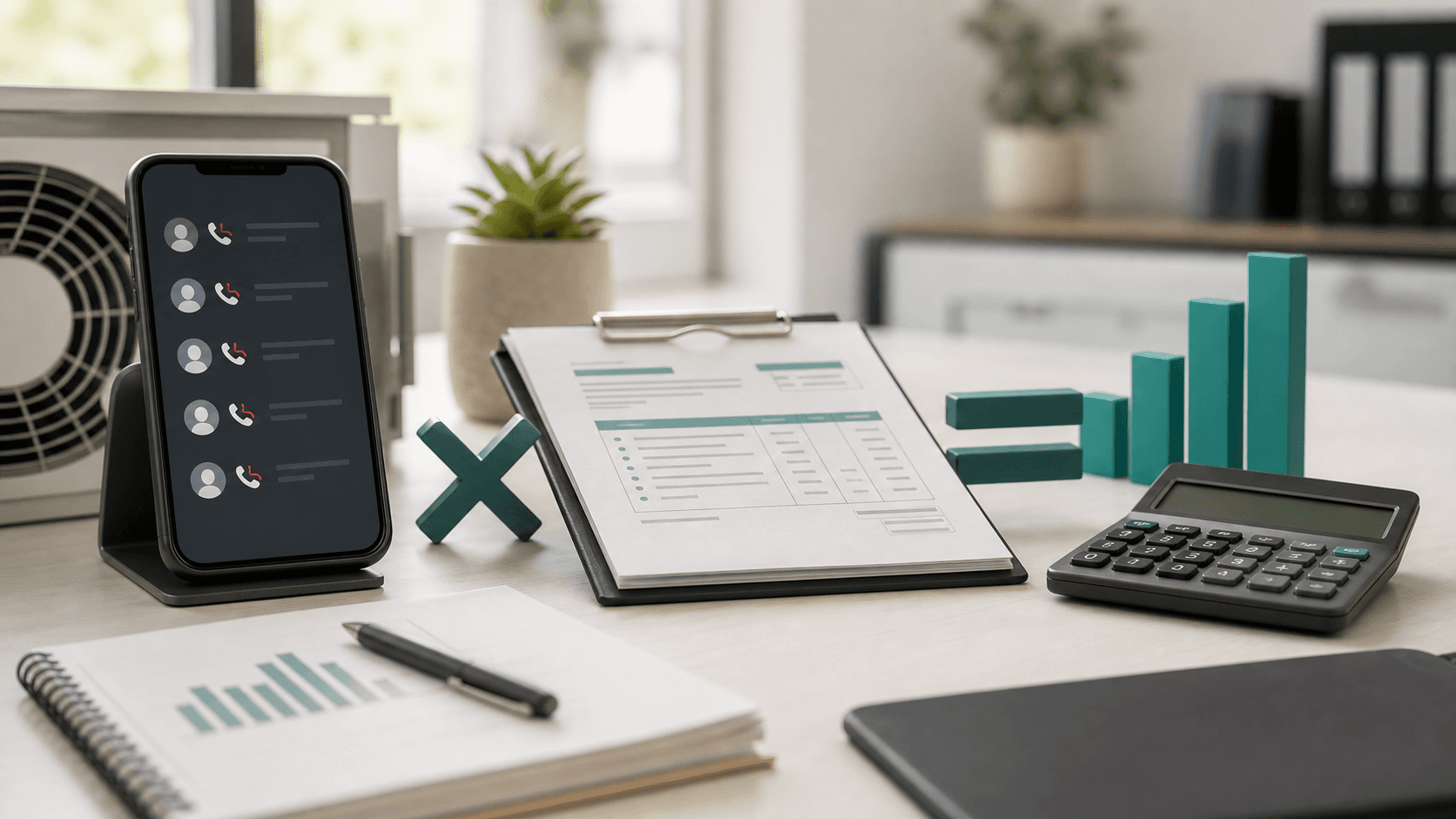
Run your own numbers. Take the calls you miss in a week, multiply by the share you would realistically close, and multiply that by your average ticket. Then multiply by 52.
Even modest inputs get scary fast. Miss ten callable jobs a week, close a third of them, at a few hundred dollars each, and you are looking at five or six figures a year walking out the door — money you already spent marketing to earn.
People do not leave messages — they leave
The hopeful assumption is that callers leave a voicemail and you call them back. They do not. The overwhelming majority of people who reach a voicemail hang up and immediately call the next name on the list.
By the time you check the missed call the next morning, that homeowner already has a technician scheduled. The window was minutes, not hours.
The rush makes the leak a flood
In peak season the irony sharpens: the more demand you have, the more calls you drop. Your office is slammed, your techs are in the field, and every line is busy precisely when the most jobs are available to win.
This is the season that should fund your whole year. Instead, a chunk of it rings out and routes itself to your competitors.

You do not need to answer better — you need to answer always
You cannot out-hustle a ringing phone. The only durable fix is to make sure every call is answered, qualified, and booked the moment it comes in — including the 9 PM Saturday no-heat call.
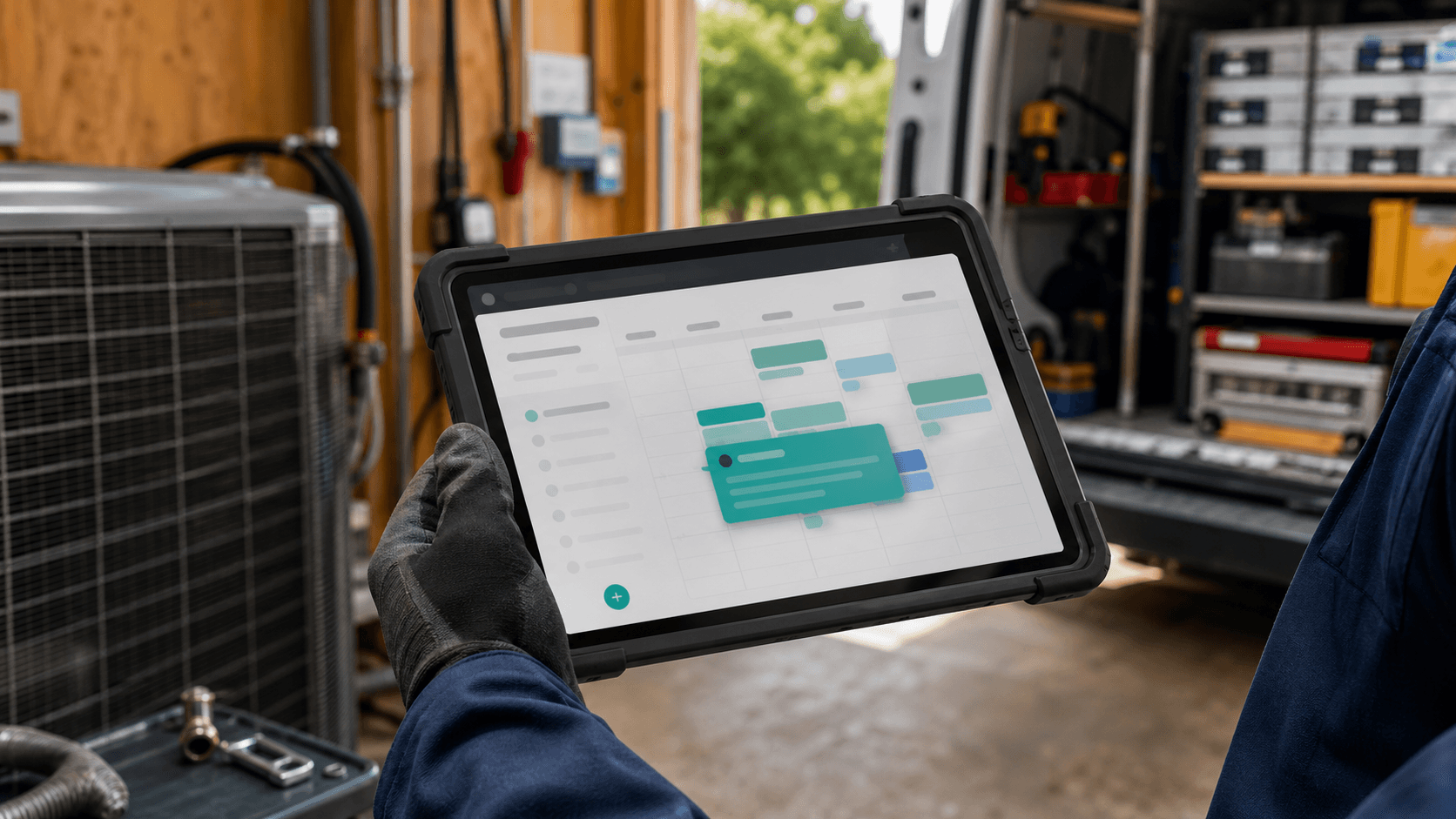
An AI voice agent does exactly that: picks up in two rings, around the clock, and turns calls you were silently losing into jobs on the calendar. Even recapturing a fraction of the leak usually pays for the system many times over.
Missed calls do not announce themselves, which is exactly why they are so expensive. Answer every call — especially after hours and in peak season — and you stop funding your competitors with the leads you already paid for.
See it answer your phones.
Book a 15-minute demo, or call the AI receptionist yourself and hear exactly how it books a job.